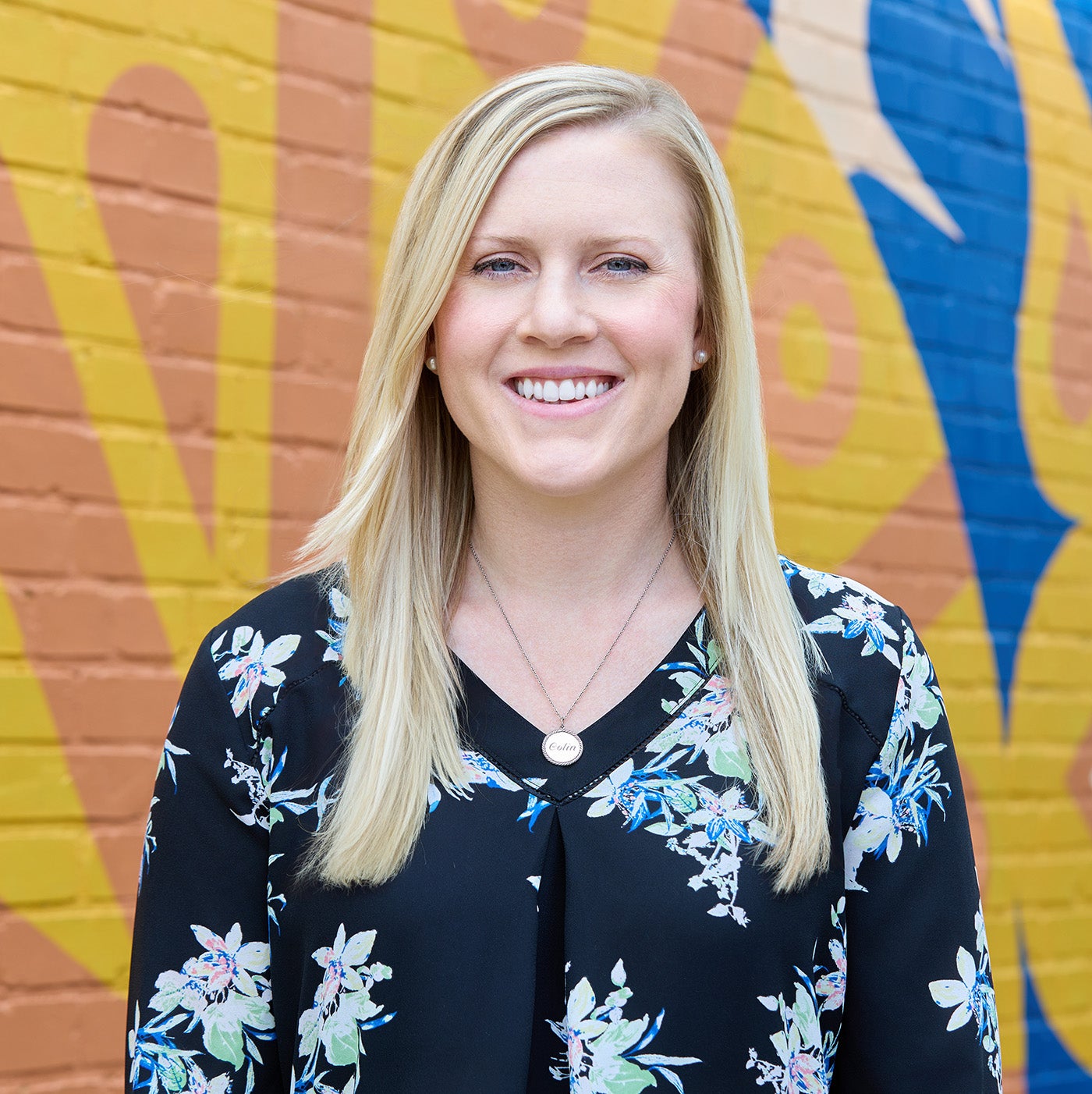
We are pleased to welcome Katie Martin to our team! With 28 years of professional experience, Katie brings a passion for creating engaging spaces and exploring new possibilities through design.
A graduate of NC State, Katie studied industrial design and graphic design. Her experience has helped shape a multidisciplinary approach to creating environments that are both functional and inspiring. She is particularly passionate about educational spaces and the opportunity to transform a blank space into a place where students feel excited to learn, connect, and spend their time.
Katie’s connection to educational environments also extends into her community. She serves with the Concord High School athletic booster club and previously contributed interior graphics, website, marketing, and photography work for Carolina International School. She is a proud graduate of South Mecklenburg High School and as a result is very curious and excited to see our current project on that campus coming to life!
Outside the office, Katie continues to explore her creativity through pottery, which she throws in her home studio. We are excited to welcome her creativity and experience to the team.
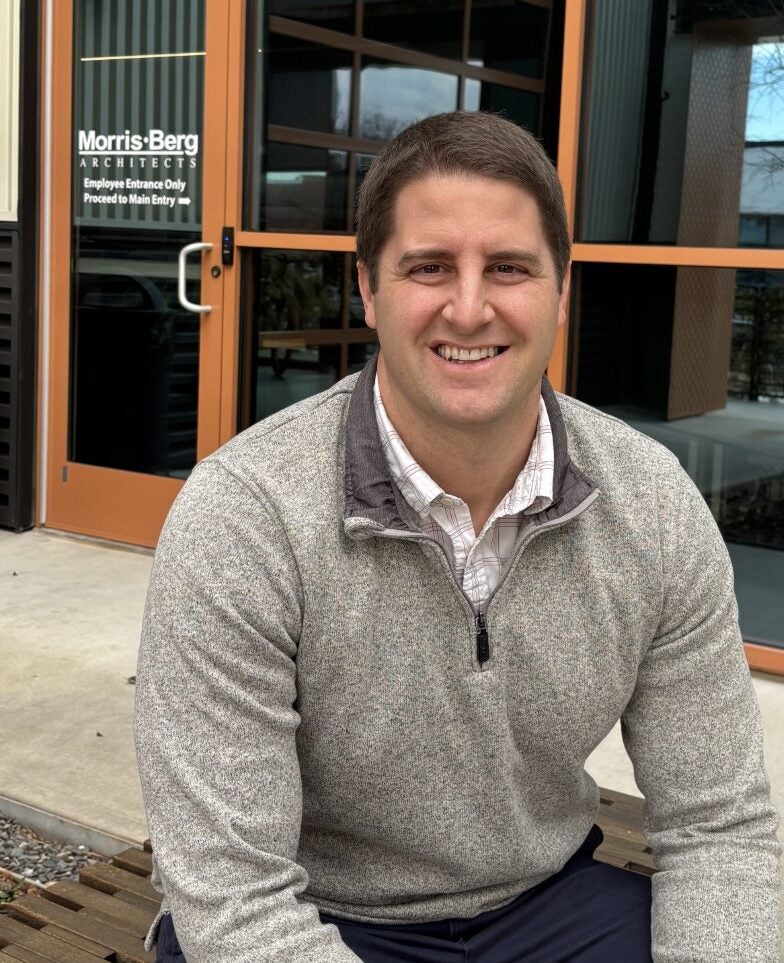
Morris-Berg is pleased to welcome Marquis Reynolds to our team. A graduate of Virginia Tech’s five-year architecture program, Marquis brings a strong background in architectural design, BIM coordination, construction documentation, visualization, and construction administration. Marquis’s project experience spans higher education, government, commercial, industrial, adaptive reuse, workplace, campus, and civic environments.
Marquis approaches design with close attention to detail and an appreciation for timeless solutions rather than passing trends. Particularly meaningful is the opportunity to use architecture to tell the story of a community and create places that bring people together. Marquis also has a strong interest in emerging technology and how evolving tools can improve design, coordination, and project delivery.
At Morris-Berg, Marquis looks forward to continuing to grow as a well-rounded designer while taking on greater responsibility in project management and contributing to thoughtful, community-centered design.
NeoCon 2026: Design Insights Shaping the Future of Learning, Work, and Community
Each year, NeoCon brings together the leading voices in commercial interiors, workplace strategy, furniture innovation, and design technology. As the premier event for the built environment, NeoCon offers an opportunity to explore emerging trends, evaluate new products, and gain insight into how design continues to evolve to support people, organizations, and communities.
This year, Morris-Berg Architects’ Director of Interior Design, Susan Case, attended NeoCon 2026 in Chicago, where the overarching theme, “Where Design Connects,” focused on the intersection of people, technology, wellness, sustainability, and adaptability. Throughout the week, one message remained consistent: the future of design is increasingly human-centered, flexible, and responsive to change.
Learning from Industry Partners
One of the highlights of the trip was spending time with our friends and industry partners at Bentley and MRG Southeast. Walking the show floor together provided valuable opportunities to discuss emerging product innovations, material performance, sustainability initiatives, and how evolving interior solutions can better support educational, workplace, healthcare, and civic environments.
These conversations reinforced the importance of collaboration between architects, interior designers, manufacturers, and representatives in creating spaces that are both inspiring and functional.
Key Themes from NeoCon 2026
Flexibility is No Longer Optional
Across nearly every showroom and product category, flexibility emerged as a defining design principle. From movable partitions and modular furniture systems to adaptable collaboration zones and reconfigurable learning environments, manufacturers are designing products that allow spaces to evolve alongside organizational needs.
For educational institutions, this translates into classrooms that support multiple teaching styles, learning commons that encourage collaboration, and facilities that can adapt to future programmatic changes without significant renovation.
The Continued Evolution of the Workplace
NeoCon showcased the ongoing shift away from traditional office layouts toward hospitality-inspired environments that prioritize employee experience. Spaces are becoming more welcoming, comfortable, and focused on offering a variety of settings for collaboration, focus work, and social interaction.
Organizations are increasingly evaluating success based on employee engagement, well-being, and choice rather than density alone—a philosophy that continues to influence workplace planning across all sectors.
Student-Centered Learning Environments
Many exhibitors focused specifically on educational settings, highlighting solutions that support active learning, project-based instruction, and student engagement. Flexible furnishings, enhanced acoustics, and informal learning spaces continue to play a significant role in creating environments that support modern educational outcomes.
These trends align closely with the work Morris-Berg is performing with K–12 districts, community colleges, and higher education institutions throughout the Carolinas.
Sustainability with Accountability
Sustainability discussions extended far beyond recycled content. Manufacturers emphasized material transparency, product life-cycle analysis, circular economy principles, and measurable environmental performance. Wellness and sustainability are increasingly viewed as interconnected goals, influencing everything from material selection to daylighting strategies and acoustic performance.
Designing for Wellness and Neuroinclusion
Another prominent theme was designing for a broader range of human experiences. Neuroinclusive environments, improved acoustic comfort, ergonomic furnishings, access to daylight, and strategies that support mental health were consistently featured throughout the show.
As designers, these conversations reinforce the importance of creating environments that support diverse users and promote overall well-being.
Technology as an Integrated Layer
Rather than being treated as a separate feature, technology is increasingly becoming embedded within the built environment. Smart workplace systems, digital wayfinding, occupancy analytics, and AI-informed facility planning were recurring topics throughout NeoCon’s programming and product showcases.
The takeaway is clear: technology is most effective when it enhances the user experience without becoming the focus of the space itself.
Looking Ahead
NeoCon 2026 confirmed several trends that we believe will continue shaping design over the next three to five years: human-centered environments, adaptable infrastructure, measurable sustainability, integrated technology, and spaces that balance collaboration with individual focus.
Most importantly, the event reinforced that great design is ultimately about creating meaningful connections—between people, places, and purpose.
We are grateful for the opportunity to connect with partners like Bentley and MRG Southeast, explore the latest innovations, and bring these insights back to our clients and communities. As we continue planning educational, workplace, and civic environments across the region, these lessons will help inform the future-ready spaces we design every day.-performing schools.
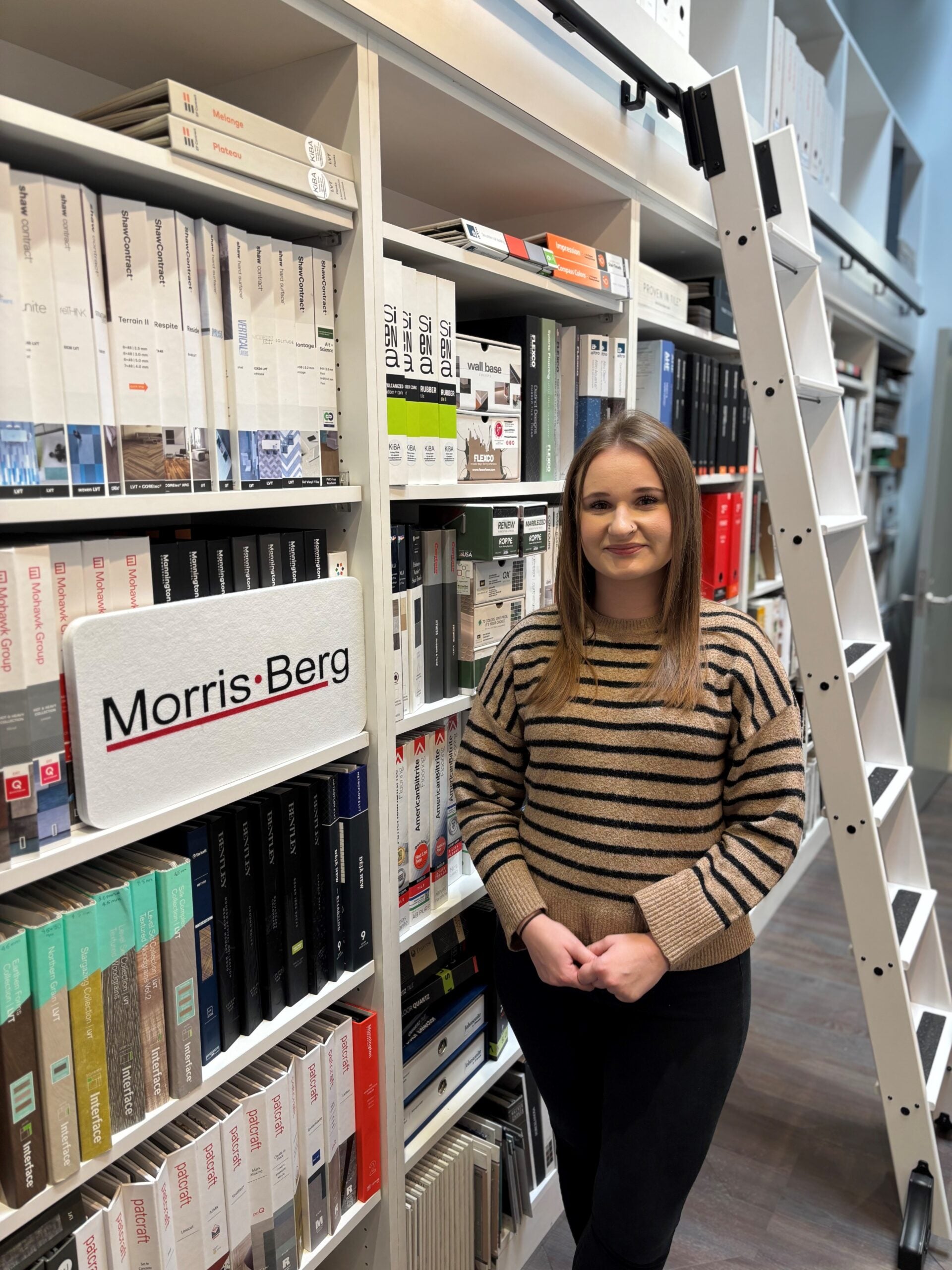
We are pleased to welcome Brooklyn Wissbaum to the firm as an Interior Designer. Brooklyn earned her Bachelor of Fine Arts in Interior Design from Iowa State University, where she studied within a CIDA-accredited program and participated in study abroad experiences in both Paris and London.
Brooklyn brings experience in residential design, client consultation, and space planning through her work as a Design Specialist with West Elm. Her background includes developing tailored design solutions, coordinating projects from concept through installation, and collaborating on environments that balance functionality, accessibility, and aesthetics.
She is especially passionate about educational design and exploring how learning environments can evolve to better support teachers and students. Inspired by parents with backgrounds in both education and construction, Brooklyn developed an early appreciation for the built environment and its impact on communities.
We are excited to have Brooklyn join our team and look forward to the creativity and perspective she brings to our work!