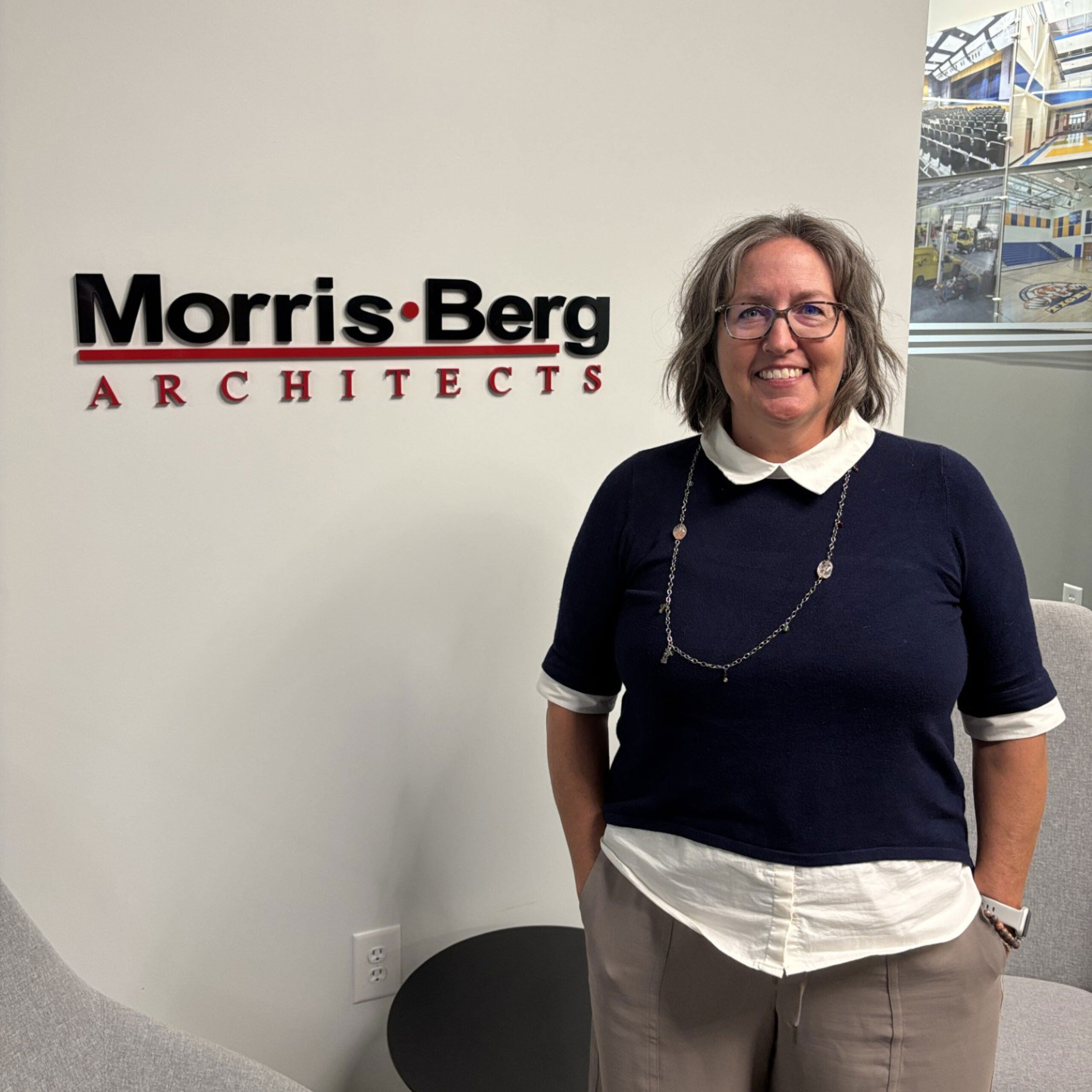
We are pleased to welcome Katie Martin to our team! With 28 years of professional experience, Katie brings a passion for creating engaging spaces and exploring new possibilities through design.
A graduate of NC State, Katie studied industrial design and graphic design. Her experience has helped shape a multidisciplinary approach to creating environments that are both functional and inspiring. She is particularly passionate about educational spaces and the opportunity to transform a blank space into a place where students feel excited to learn, connect, and spend their time.
Katie’s connection to educational environments also extends into her community. She serves with the Concord High School athletic booster club and previously contributed interior graphics, website, marketing, and photography work for Carolina International School. She is a proud graduate of South Mecklenburg High School and as a result is very curious and excited to see our current project on that campus coming to life!
Outside the office, Katie continues to explore her creativity through pottery, which she throws in her home studio. We are excited to welcome her creativity and experience to the team.
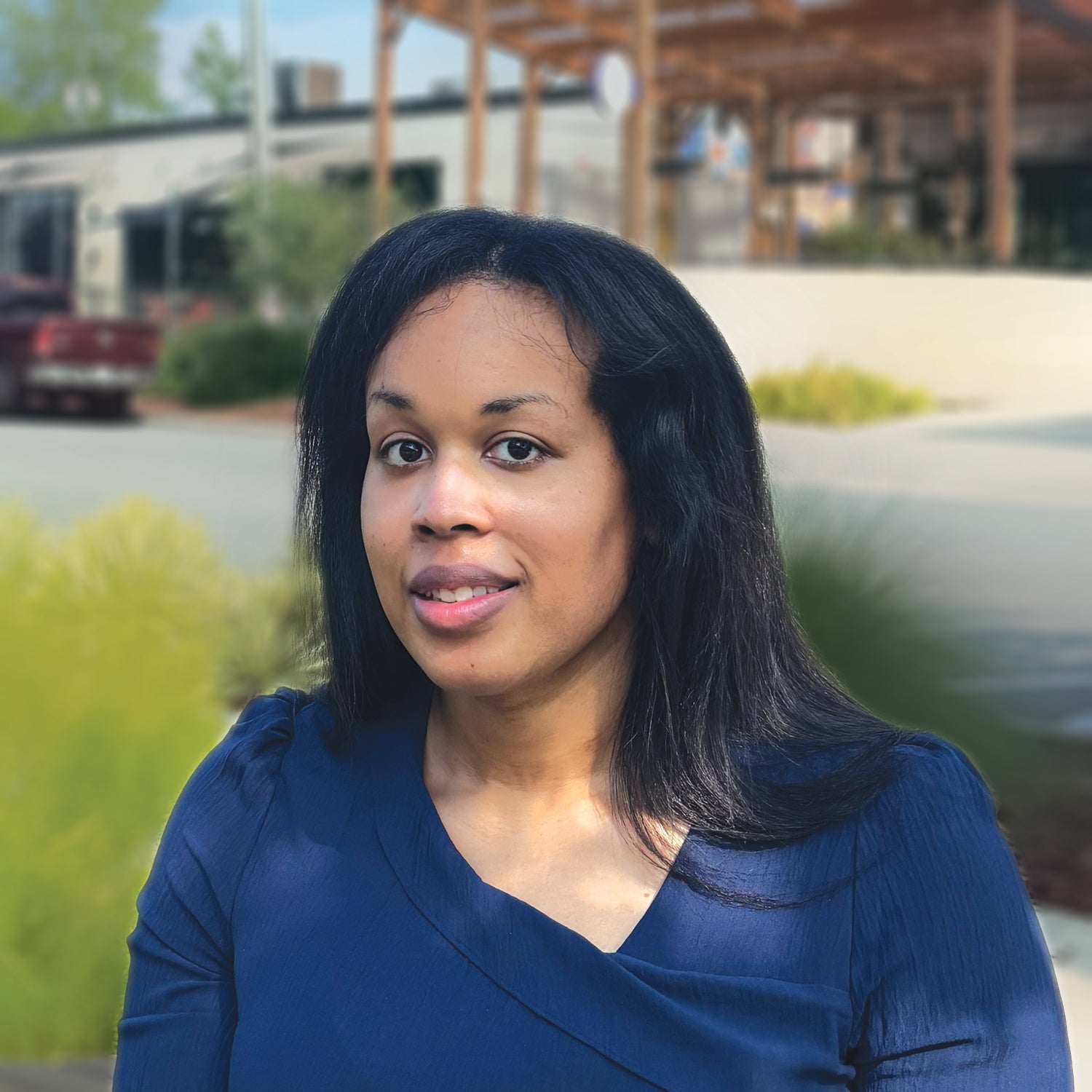
Morris-Berg is pleased to welcome Marquis Reynolds to our team. A graduate of Virginia Tech’s five-year architecture program, Marquis brings a strong background in architectural design, BIM coordination, construction documentation, visualization, and construction administration. Marquis’s project experience spans higher education, government, commercial, industrial, adaptive reuse, workplace, campus, and civic environments.
Marquis approaches design with close attention to detail and an appreciation for timeless solutions rather than passing trends. Particularly meaningful is the opportunity to use architecture to tell the story of a community and create places that bring people together. Marquis also has a strong interest in emerging technology and how evolving tools can improve design, coordination, and project delivery.
At Morris-Berg, Marquis looks forward to continuing to grow as a well-rounded designer while taking on greater responsibility in project management and contributing to thoughtful, community-centered design.
NeoCon 2026: Design Insights Shaping the Future of Learning, Work, and Community
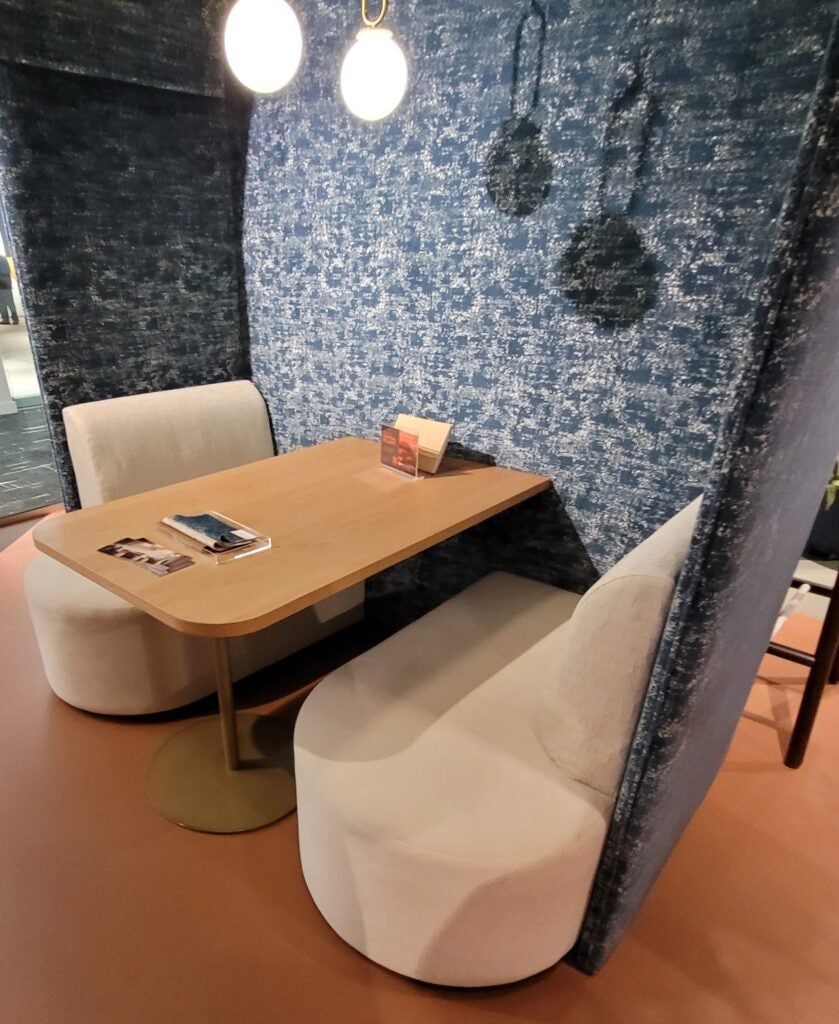
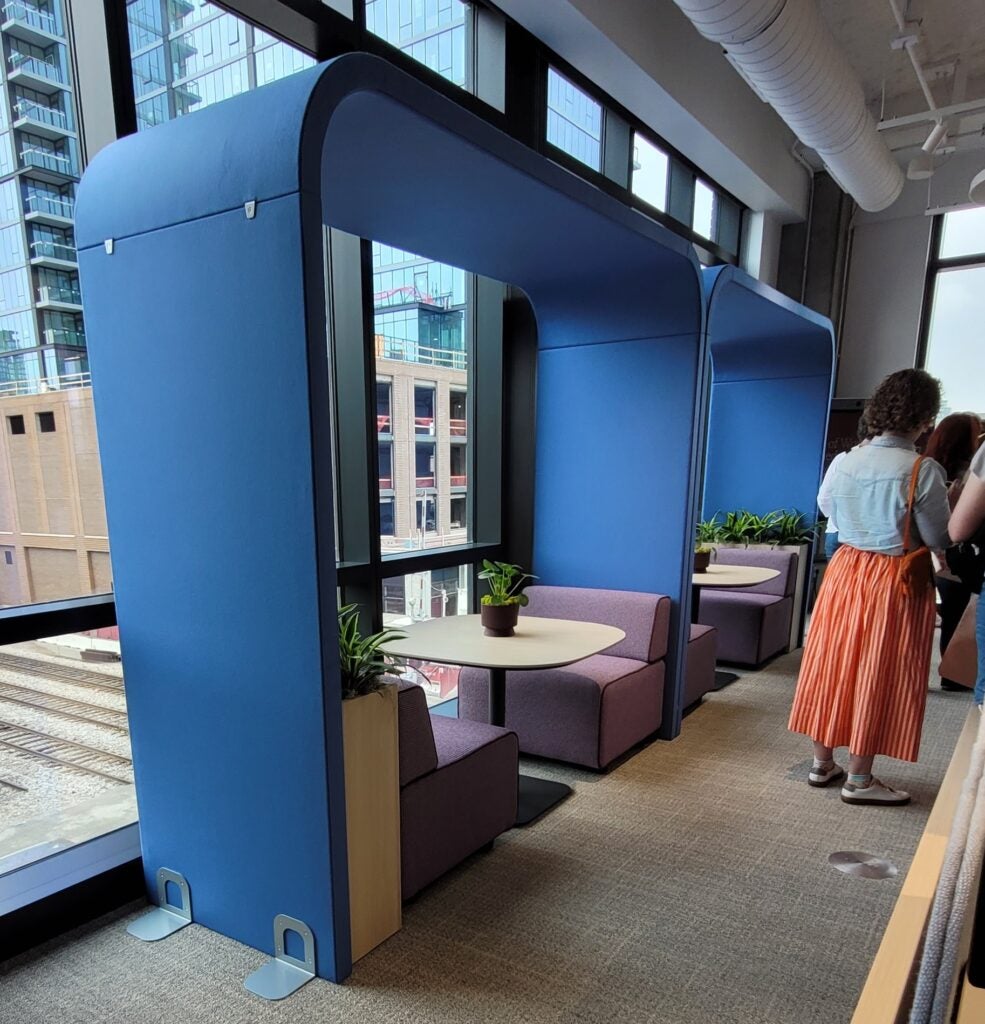
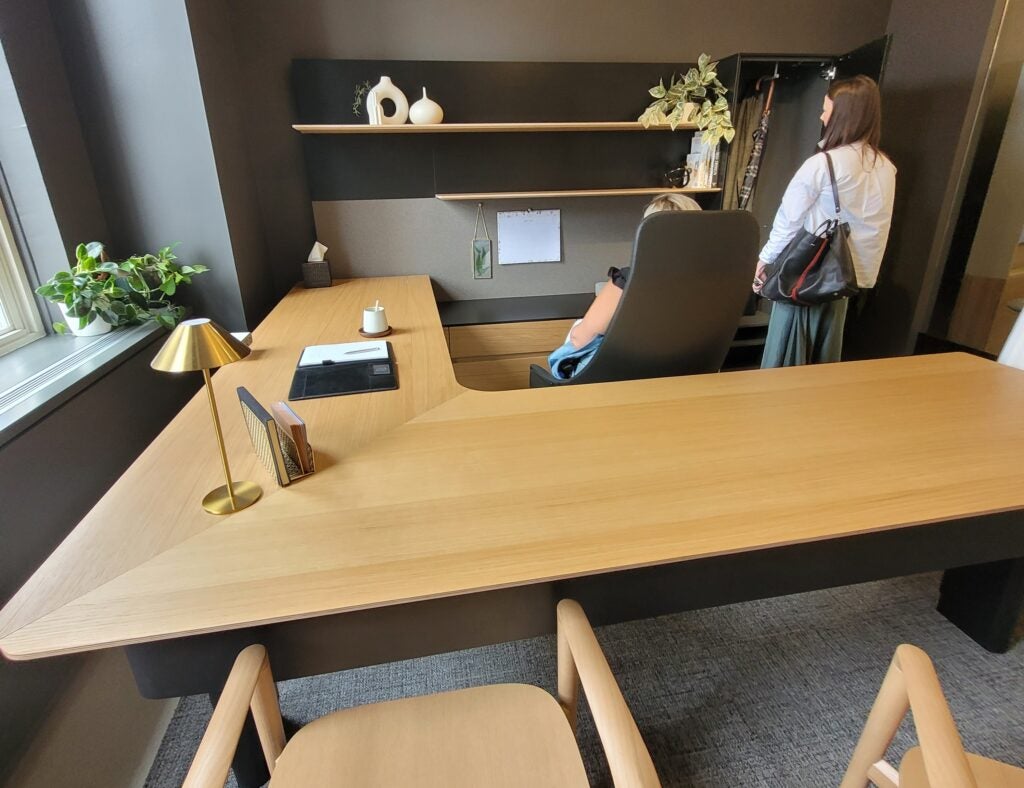
Each year, NeoCon brings together the leading voices in commercial interiors, workplace strategy, furniture innovation, and design technology. As the premier event for the built environment, NeoCon offers an opportunity to explore emerging trends, evaluate new products, and gain insight into how design continues to evolve to support people, organizations, and communities.
This year, Morris-Berg Architects’ Director of Interior Design, Susan Case, attended NeoCon 2026 in Chicago, where the overarching theme, “Where Design Connects,” focused on the intersection of people, technology, wellness, sustainability, and adaptability. Throughout the week, one message remained consistent: the future of design is increasingly human-centered, flexible, and responsive to change.
Learning from Industry Partners
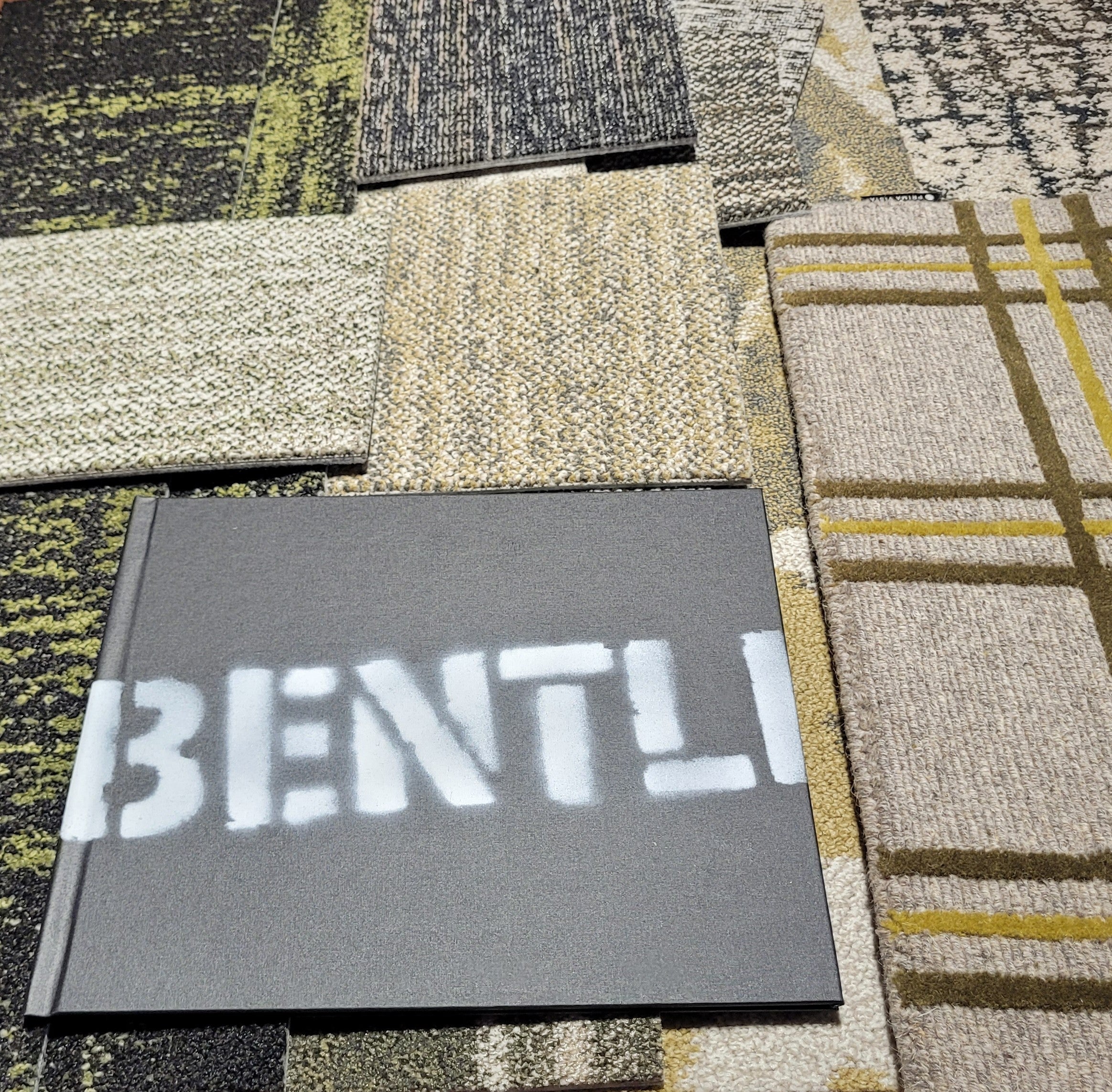
One of the highlights of the trip was spending time with our friends and industry partners at Bentley and MRG Southeast. Walking the show floor together provided valuable opportunities to discuss emerging product innovations, material performance, sustainability initiatives, and how evolving interior solutions can better support educational, workplace, healthcare, and civic environments.
These conversations reinforced the importance of collaboration between architects, interior designers, manufacturers, and representatives in creating spaces that are both inspiring and functional.
Key Themes from NeoCon 2026
Flexibility is No Longer Optional
Across nearly every showroom and product category, flexibility emerged as a defining design principle. From movable partitions and modular furniture systems to adaptable collaboration zones and reconfigurable learning environments, manufacturers are designing products that allow spaces to evolve alongside organizational needs.
For educational institutions, this translates into classrooms that support multiple teaching styles, learning commons that encourage collaboration, and facilities that can adapt to future programmatic changes without significant renovation.
The Continued Evolution of the Workplace
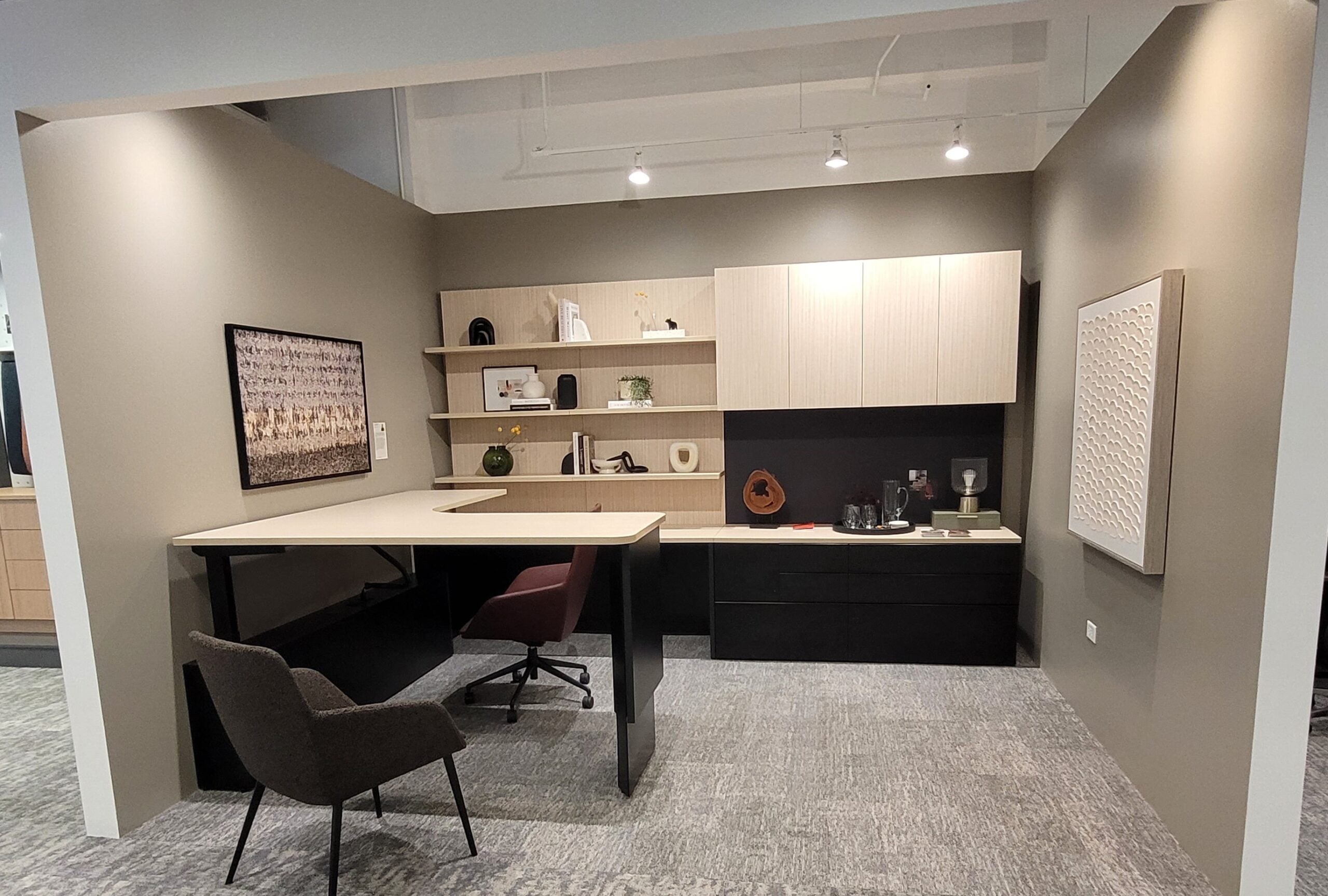
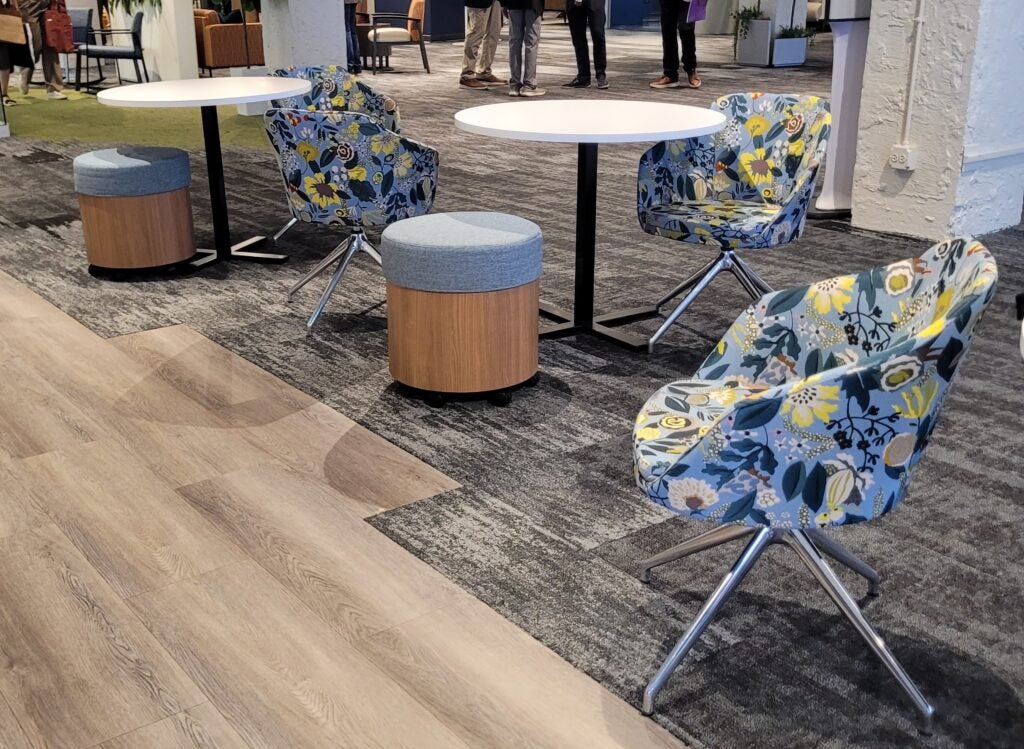
NeoCon showcased the ongoing shift away from traditional office layouts toward hospitality-inspired environments that prioritize employee experience. Spaces are becoming more welcoming, comfortable, and focused on offering a variety of settings for collaboration, focus work, and social interaction.
Organizations are increasingly evaluating success based on employee engagement, well-being, and choice rather than density alone—a philosophy that continues to influence workplace planning across all sectors.
Student-Centered Learning Environments
Many exhibitors focused specifically on educational settings, highlighting solutions that support active learning, project-based instruction, and student engagement. Flexible furnishings, enhanced acoustics, and informal learning spaces continue to play a significant role in creating environments that support modern educational outcomes.
These trends align closely with the work Morris-Berg is performing with K–12 districts, community colleges, and higher education institutions throughout the Carolinas.
Sustainability with Accountability
Sustainability discussions extended far beyond recycled content. Manufacturers emphasized material transparency, product life-cycle analysis, circular economy principles, and measurable environmental performance. Wellness and sustainability are increasingly viewed as interconnected goals, influencing everything from material selection to daylighting strategies and acoustic performance.
Designing for Wellness and Neuroinclusion
Another prominent theme was designing for a broader range of human experiences. Neuroinclusive environments, improved acoustic comfort, ergonomic furnishings, access to daylight, and strategies that support mental health were consistently featured throughout the show.
As designers, these conversations reinforce the importance of creating environments that support diverse users and promote overall well-being.
Technology as an Integrated Layer
Rather than being treated as a separate feature, technology is increasingly becoming embedded within the built environment. Smart workplace systems, digital wayfinding, occupancy analytics, and AI-informed facility planning were recurring topics throughout NeoCon’s programming and product showcases.
The takeaway is clear: technology is most effective when it enhances the user experience without becoming the focus of the space itself.
Looking Ahead
NeoCon 2026 confirmed several trends that we believe will continue shaping design over the next three to five years: human-centered environments, adaptable infrastructure, measurable sustainability, integrated technology, and spaces that balance collaboration with individual focus.
Most importantly, the event reinforced that great design is ultimately about creating meaningful connections—between people, places, and purpose.
We are grateful for the opportunity to connect with partners like Bentley and MRG Southeast, explore the latest innovations, and bring these insights back to our clients and communities. As we continue planning educational, workplace, and civic environments across the region, these lessons will help inform the future-ready spaces we design every day.-performing schools.
We had a blast at the 2026 A4LE Wilmington Conference that focused heavily on the future of K–12 educational environments through the interconnected lenses of cost management, sustainability, flexibility, equity, and student well-being. Across sessions, presenters consistently emphasized that educational facilities are no longer simply buildings—they are strategic tools that influence student outcomes, workforce readiness, community identity, operational efficiency, and long-term district resilience. Industry leaders demonstrated how collaboration, early planning, and data-informed decision-making are becoming essential in navigating increasingly complex educational projects.
A major theme throughout the conference was adaptability—whether in building systems, delivery methods, learning environments, or community engagement strategies. Sessions repeatedly highlighted the need for flexible CTE environments, scalable building standards, resilient funding strategies, inclusive design frameworks, and evolving project delivery approaches that can respond to rapid educational, economic, and technological change. Speakers also reinforced the growing importance of sustainability, indoor environmental quality, embodied carbon reduction, and equitable community-centered engagement in shaping future-ready schools. Collectively, the conference presented a vision for educational design that prioritizes people, partnerships, and long-term impact while balancing fiscal realities and operational demands.
Our takeaways that we look forward to put into our practice are:
Sustainability and wellness are becoming foundational expectations. High-performance HVAC systems, adaptive reuse, indoor air quality, biophilic design, and embodied carbon reduction were consistently presented as essential components of modern educational facilities rather than optional enhancements.A4LE 2025 – Advancing K–12 Facilities
Collaboration drives successful outcomes. Nearly every session emphasized the importance of early and continuous collaboration between owners, architects, engineers, contractors, educators, operations staff, and community stakeholders.
Flexibility and adaptability are now essential design priorities. Schools must support changing educational models, evolving workforce needs, technological advancement, and future renovations without requiring complete system replacement.
Data-informed planning improves decision-making. From energy modeling and construction cost benchmarking to post-occupancy evaluations and inclusive design metrics, successful projects increasingly rely on measurable performance data.
Community engagement is critical to trust and long-term success. Whether discussing bond planning, inclusive design, adaptive reuse, or school modernization, presenters reinforced that meaningful stakeholder engagement creates stronger alignment and more resilient outcomes.
Sustainability and wellness are becoming foundational expectations. High-performance HVAC systems, adaptive reuse, indoor air quality, biophilic design, and embodied carbon reduction were consistently presented as essential components of modern educational facilities rather than optional enhancements.
Some of our favorite sessions were:
Redefining School Design Guidelines: Innovation, Savings, and Sustainability Combined
Representatives from Charlotte Mecklenburg Schools, CMTA, and LeChase Construction shared how collaborative redesign of district standards is transforming school sustainability and operational performance. The session detailed CMS’s transition toward water-source heat pump systems and high-performance HVAC strategies that improve indoor air quality, reduce lifecycle costs, and align with workforce realities. Through extensive stakeholder engagement and data-driven analysis, the district developed flexible standards that respond to project-specific conditions while maintaining long-term energy goals. Presenters demonstrated how system modeling, utility incentives, and collaborative workshops led to measurable results, including a recent HVAC package that came in significantly under budget while improving projected energy performance. The session illustrated how districts can modernize outdated standards, embrace innovation, and balance sustainability with practical operational needs.
Inclusive Design and the Alliance for Inclusive Design Practice and Research
This session explored the relaunch of the former Center for Universal Design at North Carolina State University as the Alliance for Inclusive Design Practice and Research. Presenters examined the evolution from accessibility and universal design toward a broader framework of inclusive design that intentionally addresses the diverse needs of communities, including neurodiversity, equity, belonging, and representation. Through case studies and research findings, the team demonstrated how community engagement can translate into measurable design strategies that support agency, inclusion, safety, and civic identity in schools and public spaces. The introduction of the “Best Spaces” certification highlighted efforts to create evidence-based tools for evaluating inclusive environments and linking design decisions to measurable outcomes such as belonging and well-being. The session underscored the importance of community-informed design processes and long-term research to create more equitable and meaningful educational environments.
Interactive Roundtable Discussion: Changing School Construction Costs and Planning
This roundtable brought together leaders from Moseley, NC DPI, Union County Public Schools, Cabarrus County Schools, Guilford County Schools, and New Atlantic Contracting, Inc. to address the escalating challenges facing K–12 school construction across North Carolina. The panelists shared practical insights into how inflation, labor shortages, supply chain disruptions, and market volatility have dramatically increased construction costs since 2020. The panel emphasized that early collaboration among owners, architects, contractors, and state agencies is essential to managing risk, controlling escalation, and improving project outcomes. Speakers highlighted the importance of realistic phasing, robust preconstruction planning, early site due diligence, and disciplined value engineering that preserves quality rather than simply cutting costs. The session reinforced that transparent communication, data-driven planning, and thoughtful partnerships are critical to helping districts navigate funding limitations while still delivering durable, high-performing schools.